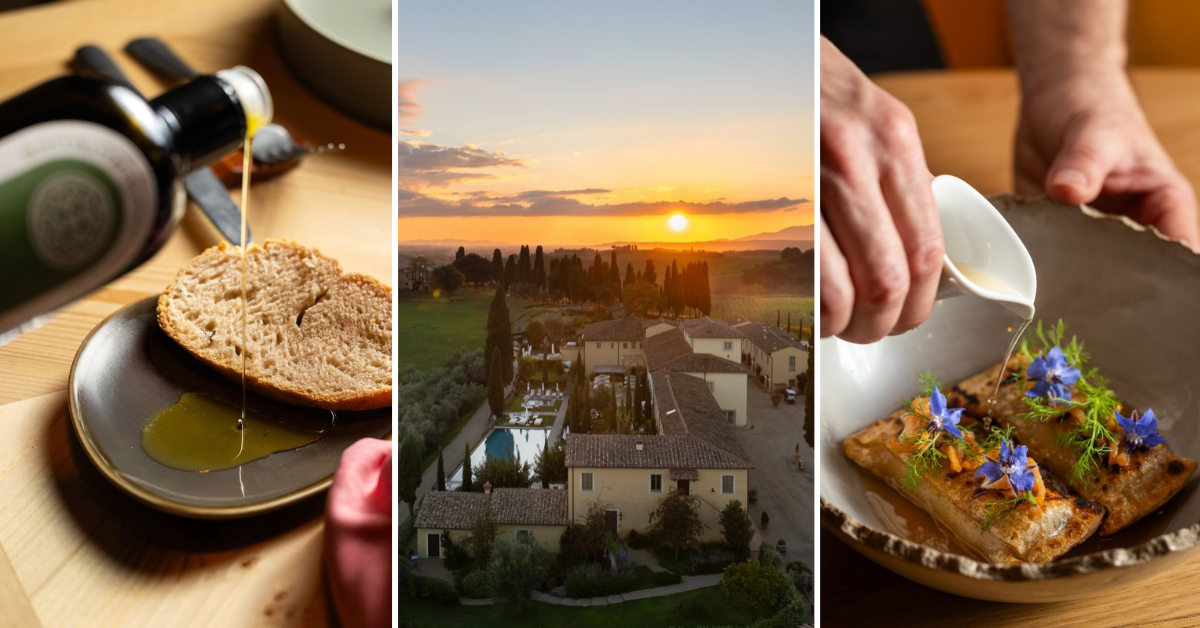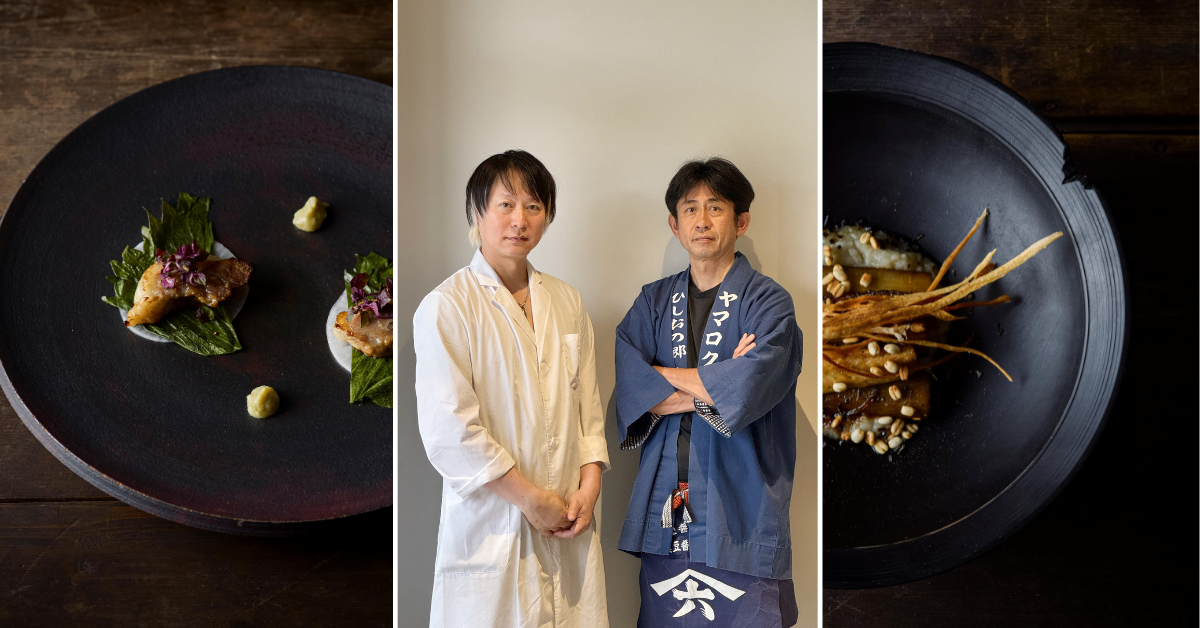

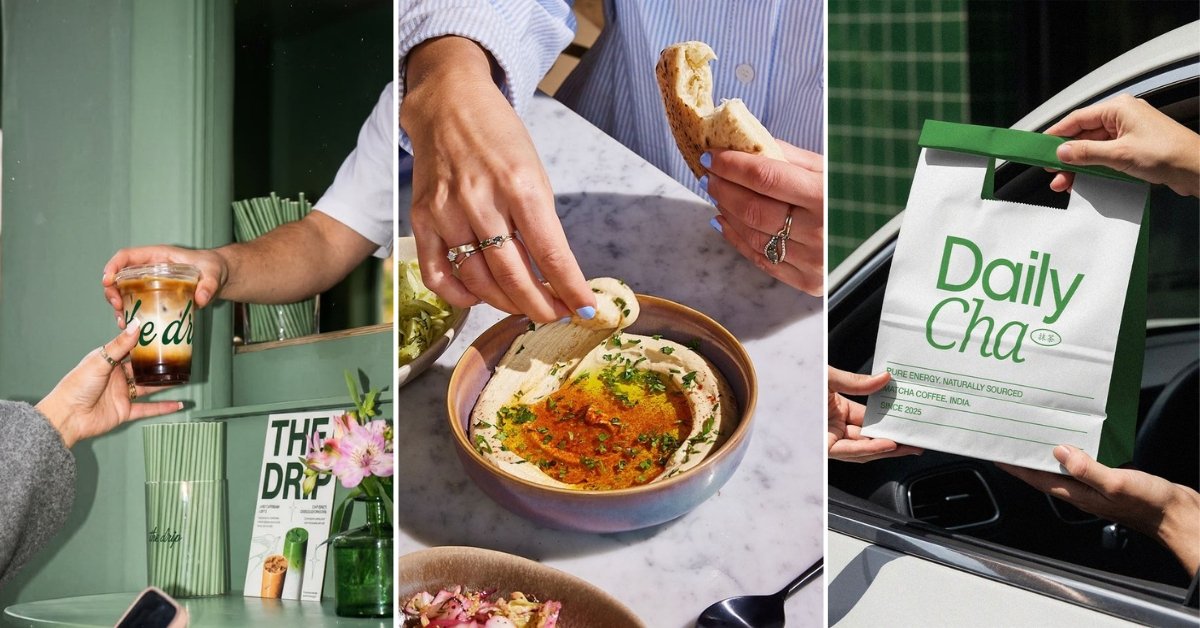
The restaurant world has always been fast-paced, but lately, things have really sped up. Diners want more than just a good meal; they’re looking for convenience, personalized touches, and experiences that fit their busy lives. Restaurants are quickly changing to keep up, from the rise of delivery apps to the demand for healthier choices. This isn’t just about adding a new dish; it means rethinking how they operate, use technology, and even what hospitality truly means. Every part of the business, from where ingredients come from to how staff talk to customers, is being looked at again to meet people’s expectations and the changing food trends.
The Shift in Dining Preferences
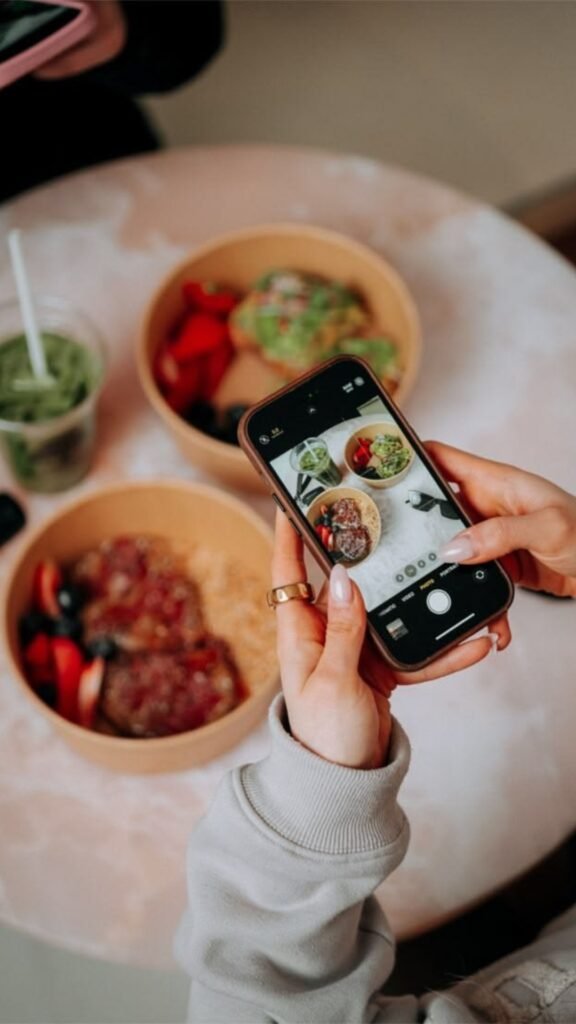
The days when a restaurant’s success was only about how many tables were full on a Saturday night is a thing of the past. Today, customers have many other things they consider when picking a place to eat. There’s a growing focus on healthy and sustainable ingredients, with diners actively searching for menus that offer vegan, gluten-free, or keto options. Beyond the food itself, the whole experience of dining holds primal importance. While fancy, fine dining still has its place, people are gravitating towards a more casual and flexible setting. This relaxed approach to dining also shows up at home, where hosts may focus more on comfort, easy conversation, and a simple look for entertaining at home rather than something formal. Diners are increasingly seeking value, not just in price, but in the quality of the experience, how easy it is to order, and whether the brand matches their own values.
Operational Tools for Flexibility
To handle these new expectations, restaurants need to be flexible than ever. The old cash register has been replaced by advanced technology that acts like the brain of the whole operation. Modern point-of-sale (POS) systems are central to this change. They do much more than just take payments; they bring in online orders from websites or other apps, manage table bookings, keep track of inventory in real-time, and give useful information about what customers like and how well menu items are selling.
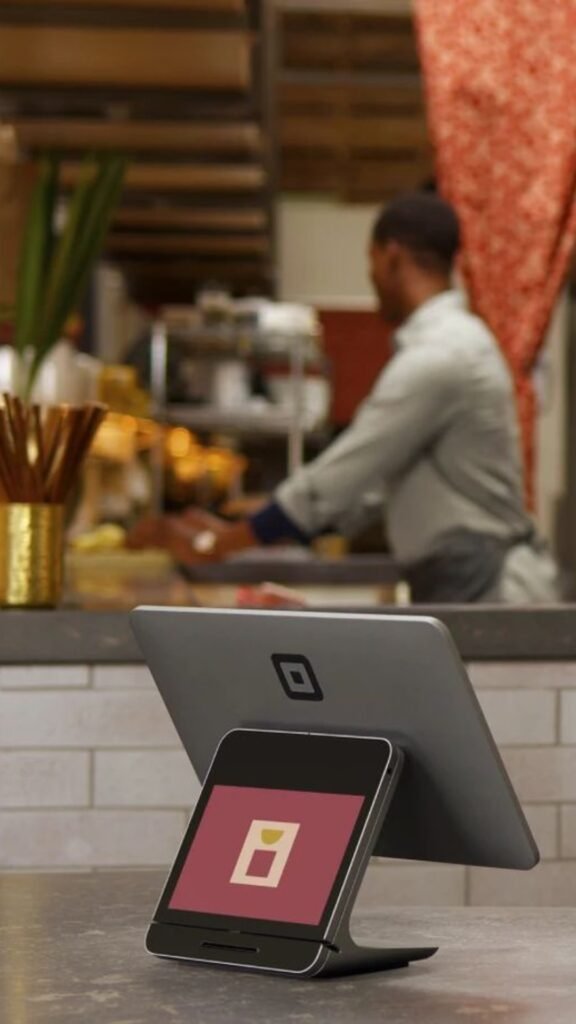
This connected system is key to giving customers a smooth experience. When an online order goes straight to the kitchen’s display screen, it means fewer mistakes and faster food prep. Knowing the different types of restaurant POS systems helps owners pick a system that can handle everything from online orders to loyalty programs. This flexibility lets a small cafe offer curbside pickup just as easily as a big chain, making sure they can reach customers wherever they are.
Meeting Demands for Convenience
Convenience isn’t a bonus anymore; it is expected. The growth of third-party delivery services has completely changed how people get restaurant food. While these platforms help restaurants reach the customers, they also come with challenges like fees and lesser control over the brand. Because of this, many restaurants are creating their own online ordering systems and delivery services to build a direct relationship with their customers.

There are multiple ways to get food outside the restaurant. We now see:
- Curbside pickup, where you can grab your food without leaving the car.
- Take-and-bake meal kits that let you make a restaurant-quality meal at home.
- Subscription services for weekly meals or coffee.
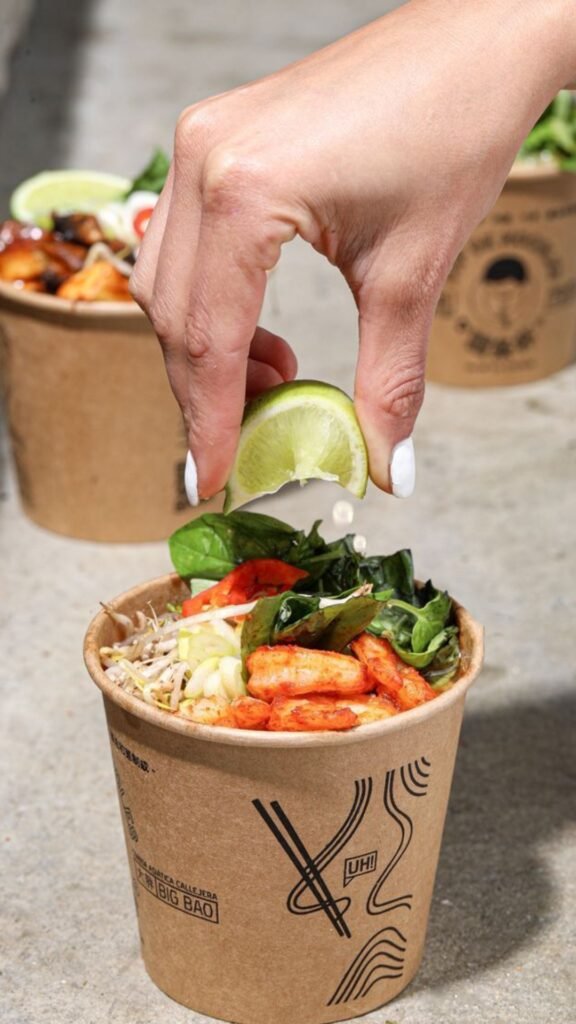
This focus on convenience and off-premise dining has pushed restaurants to get creative. They’re designing packaging that keeps food fresh and setting up efficient ways to handle all the takeout and delivery orders without messing up the dining experience for people eating inside.
The Future of Hospitality
As technology and customer habits keep changing, the restaurant industry will continue to adapt. Personalization is becoming a big deal, with places using customer information to suggest things and offer deals just for them. Imagine your favorite spot remembering your usual order or telling you when a seasonal dish you love is back! The main idea of hospitality, which is creating a warm and memorable experience, is still super important. Even as more people get food to go, the actual restaurant space offers a special chance for people to connect and feel part of a community. The successful restaurants of the future will probably be those that master a healthy mix of both; offering easy digital convenience whilst providing an amazing in-person atmosphere that keeps people coming back. The goal is to build a brand that’s easy to access on a mundane Tuesday night through a delivery app and is also the top choice for a special celebration on a Friday.